24 Hour TAT - Cut-off time 5 AM - Free Shipping On All DTF Orders Over $75

Step-by-step guide for applying UV DTF transfers to various surfaces

How to Apply UV DTF Transfers

Master the art of applying UV DTF transfers with our comprehensive step-by-step guide. Learn the proper techniques for clean, bubble-free application on any surface, from apparel and accessories to hard surfaces like water bottles, phone cases, and more.

Apply UV DTF Transfers in 3 Easy Steps

Follow these proven techniques to achieve professional results when applying UV DTF transfers. Proper surface preparation, careful positioning, and thorough bubble removal ensure your transfers look perfect and last for years.

STEP 1

STEP 1

Start by cleaning the application surface thoroughly with isopropyl alcohol or a mild cleaner to remove dust, oils, and debris. Peel the white backing layer away from the UV DTF transfer, being careful not to touch the adhesive side. Position the transfer on your desired location, ensuring proper alignment before making contact.

STEP 2

STEP 2

Carefully apply the UV DTF transfer to the prepared surface using a hinge method: place one edge down first, then slowly roll or press the rest of the transfer onto the surface. This technique helps prevent air bubbles and ensures smooth, even adhesion across the entire design area.

STEP 3

STEP 3

Once the UV DTF transfer is fully applied, use a squeegee, credit card, or smooth cloth to press firmly from the center outward, removing any air bubbles or wrinkles. Work systematically across the entire design to ensure complete adhesion. Finally, carefully peel away the top protective film to reveal your finished, vibrant UV DTF transfer application.

STEP 1

STEP 1

Start by cleaning the application surface thoroughly with isopropyl alcohol or a mild cleaner to remove dust, oils, and debris. Peel the white backing layer away from the UV DTF transfer, being careful not to touch the adhesive side. Position the transfer on your desired location, ensuring proper alignment before making contact.

STEP 2

STEP 2

Carefully apply the UV DTF transfer to the prepared surface using a hinge method: place one edge down first, then slowly roll or press the rest of the transfer onto the surface. This technique helps prevent air bubbles and ensures smooth, even adhesion across the entire design area.

STEP 3

STEP 3

Once the UV DTF transfer is fully applied, use a squeegee, credit card, or smooth cloth to press firmly from the center outward, removing any air bubbles or wrinkles. Work systematically across the entire design to ensure complete adhesion. Finally, carefully peel away the top protective film to reveal your finished, vibrant UV DTF transfer application.

PRO TIP: Always use a hard, flat surface

PRO TIP: Always use a hard, flat surface

Applying UV DTF transfers on a hard, flat surface ensures even pressure distribution and clean adhesion. This makes it easier to remove air bubbles with a squeegee and prevents the transfer from wrinkling or lifting during application. For curved surfaces like water bottles, work in small sections and use firm, consistent pressure.

Free Sample Pack

New to UV DTF transfers? Add our free sample pack to your first order to practice application techniques and test different surfaces. The sample pack helps you determine optimal positioning, pressure, and removal methods before applying your full designs. Perfect for learning the process and building confidence with UV DTF transfers.

Get Free Sample

Frequently Asked Questions

What surfaces can I apply UV DTF transfers to?

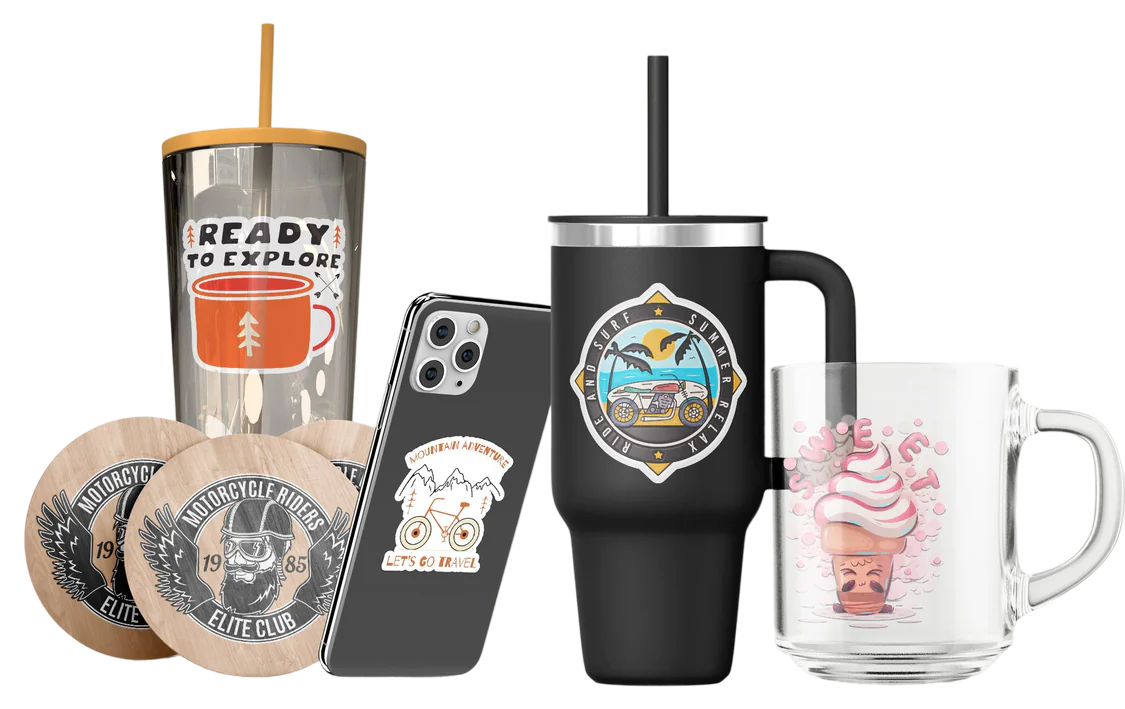
UV DTF transfers work on a wide variety of surfaces including water bottles, phone cases, laptop covers, car windows, hard plastic, metal, glass, and smooth painted surfaces. They are also suitable for some fabric applications, though heat-press DTF transfers are typically better for textiles. Always test on a small area first for best results.

How do I remove air bubbles when applying UV DTF transfers?

Use a squeegee, credit card, or smooth cloth to press firmly from the center of the transfer outward toward the edges. Work in small sections, applying consistent pressure to push air bubbles to the edges where they can escape. If bubbles persist, carefully lift that section and reapply with slower, more controlled pressure.

Do I need any special tools to apply UV DTF transfers?

No special tools are required. A squeegee, credit card, or smooth cloth works perfectly for removing air bubbles. For surface preparation, use isopropyl alcohol or a mild cleaner. The most important tool is patience - take your time with positioning and bubble removal for professional results.

How long do UV DTF transfers last after application?

When properly applied to a clean, smooth surface, UV DTF transfers can last for years. The durability depends on surface type, exposure to elements, and wear patterns. On hard surfaces like water bottles and phone cases, transfers typically last 2-5 years or more with normal use. Avoid harsh chemicals and abrasive cleaning to maximize longevity.

Can I reposition a UV DTF transfer if I make a mistake?

Yes, but only if you act quickly. If you notice a positioning error immediately after application, carefully lift the transfer from one edge and reposition it before the adhesive fully sets. Once the transfer has been pressed down firmly with a squeegee, repositioning becomes difficult and may damage the transfer or leave adhesive residue.

What should I do if air bubbles appear after application?

If air bubbles appear after the top film is removed, use a fine needle or pin to create a tiny hole in the bubble, then press down firmly with your finger or a squeegee to release the trapped air. For larger bubbles, you may need to carefully lift that section and reapply with slower, more controlled pressure from the center outward.

Can UV DTF transfers be applied to curved surfaces?

Yes, UV DTF transfers can be applied to curved surfaces like water bottles, mugs, and rounded phone cases. Work in small sections, applying the transfer gradually while using firm pressure with a squeegee to conform the transfer to the curve. Take extra care to remove air bubbles on curved surfaces, as they can be more challenging.

How should I clean the surface before applying UV DTF transfers?

Clean the surface thoroughly with isopropyl alcohol (70% or higher) or a mild cleaner to remove dust, oils, fingerprints, and debris. Wipe with a lint-free cloth and allow the surface to dry completely before application. For best results, avoid touching the cleaned area with your bare hands to prevent oil transfer.